The Cronkite Agency, a capstone experience at Arizona State University’s Walter Cronkite School of Journalism and Mass Communication, was recognized with multiple awards during the 2023 dotComm and MarCom international awards competitions which honor excellence in communication, web creativity and digital marketing.
Cronkite Agency students received a dotComm Platinum Award in the “Student Production” category, recognizing their work as part of the RWJF Southwest Health Reporting and Communications Initiative. Generously funded by the Robert Wood Johnson Foundation, the Initiative supports the Agency’s creation of campaigns about healthcare information and specifically targets the Spanish-speaking parents of young children in the Southwest. During the spring 2023 semester, the student team produced video content promoting healthy eating habits, in conjunction with Every Little Step Counts (ELSC), a family-centered diabetes prevention program. RWJF professor of practice Nicole Macias oversaw the work of students Yamileth Cabrera, Nicholas Elsner, Annette Garcia, Michayla Lopez, Daniel Ochoa, Mia Powell, Bella Schneider and Annia Zavala.
The Agency also received a dotComm Gold Award among professional entries in the “Social Media Campaign” category, recognizing students’ work for the Arizona Foundation for Women. This non-profit advances the status of Arizona’s women through research, advocacy and philanthropy. During the spring 2023 semester, the team created a campaign highlighting the organization’s Moonlight Masquerade Soirée in February. Clinical Assistant Professor Abby Zufelt oversaw the work of Maya Badman, Yamileth Cabrera, Gabriella Herran, Madison Lovin and Aleesha Singh.
Another Cronkite Agency team received a Gold Award in the professional “Communication Plan” category, recognizing its work for its client, Phoenix-based Wellkasa, which focuses on democratizing safe and effective integrative medicine for people with chronic medical conditions. A Gold MarCom Award is presented to entries that exceed the high standards of the industry norm. In 2023, there were over 6,500 award entries from throughout the United States, Canada and 43 other countries. A comprehensive traditional media and social media relations plan was implemented throughout the semester by students Doreen Ampofo, Charlotte Canada, Samantha Chow, Elias Johnson, Sarah Nguyen, Nicole Rossi and Miya Whitaker.
The Agency also received honorable mentions for a social media campaign highlighting the grand opening of Tempe-based FABRIC, a non-profit “phygital” fashion incubator, an evergreen brand brochure created for nonprofit Oakley’s Oath in Scottsdale, as well as a news release spotlighting the 2022 Día De Los Muertos game night for the Phoenix Suns.
“Our Agency students have the unique opportunity to partner with their clients to develop creative, innovative and impactful communications and marketing campaigns,” said John James Nicoletti, the Agency’s executive director and professor of practice at the Cronkite School. “I’m incredibly proud that their thoughtful initiative and precise execution has been recognized by the Association of Marketing and Communication Professionals for its excellence.”
About the dotCOMM Awards The international competition honors excellence in web creativity and digital communication. Winners are selected from categories for websites, videos, social media, paid media, owned media, earned media, and digital marketing and communication programs. The awards are administered and judged by the Association of Marketing & Communication Professionals (AMCP). Learn more at dotCOMM Awards.
About the MarCom Awards The MarCom Awards is an international competition for marketing and communication materials and programs. MarCom is a third-party evaluator of creative work submitted by ad agencies, PR firms, design shops, corporate communication departments, digital professionals and freelance creatives. The awards are administered and judged by the Association of Marketing & Communication Professionals (AMCP). Learn more at MarCom Awards.
About the Cronkite Agency The award-winning Cronkite Agency includes strategic communications and digital marketing student-practitioners participating in one of the many capstone classes at the Walter Cronkite School of Journalism and Mass Communication at Arizona State University’s Downtown Phoenix campus. The agency provides members the opportunity to work on communications and digital marketing campaigns on behalf of real-world corporate and non-profit clients. Current and past clients include the Arizona Sustainability Alliance, Bubble Skincare, McDowell Sonoran Conservancy, Vrbo Fiesta Bowl Host Committee, Yubico and the Phoenix Suns. For more information, visit the Cronkite Agency online.
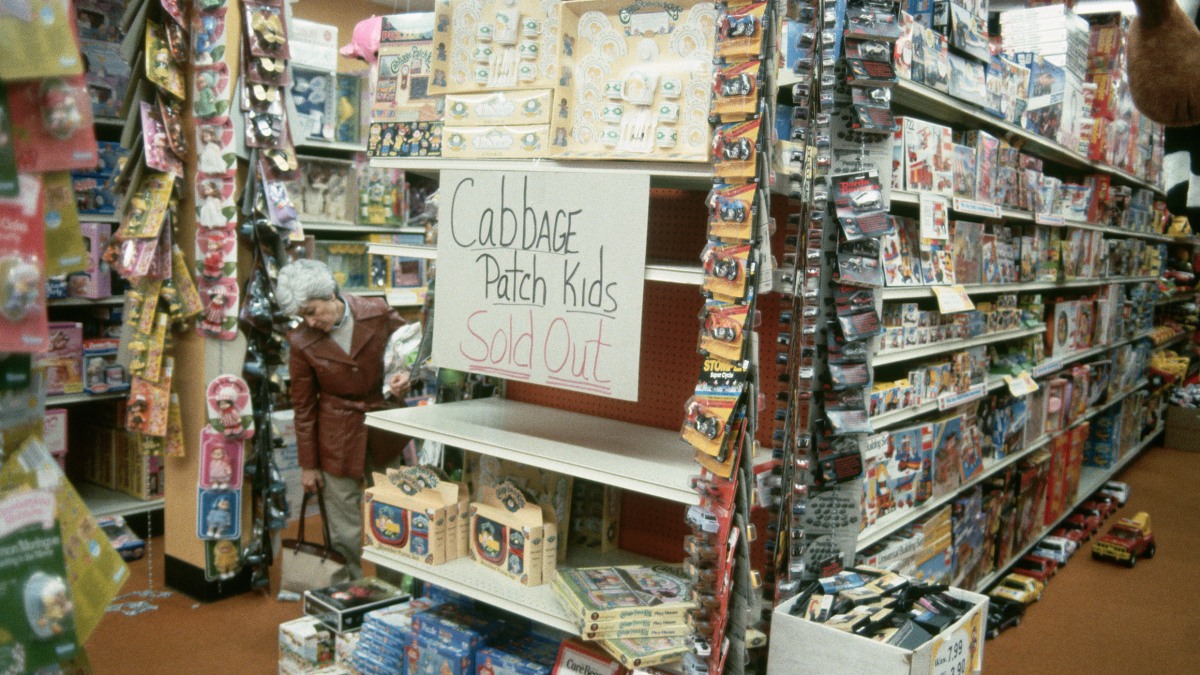
For those who were of a certain (young) age in 1983, there’s no need to recount the phenomenon of Cabbage Patch Kids. They took the toy world by storm when they first hit the market, creating an instant obsession among kids wanting to “adopt” a scrunchy-faced, soft doll that came with adoption papers and a backstory. The demand, driven by off-the-charts FOMO, for the unconventional—the word “ugly” is often applied—dolls was so high that supplies quickly ran out, creating literal mob scenes at toy stores over Black Friday weekend and the holiday shopping season that year.
Police were called to dispel a disturbance at the Toys “R” Us in Huntington, New York on November 25, 1983. [Photo: Dick Yarwood/Newsday RM/Getty Images]
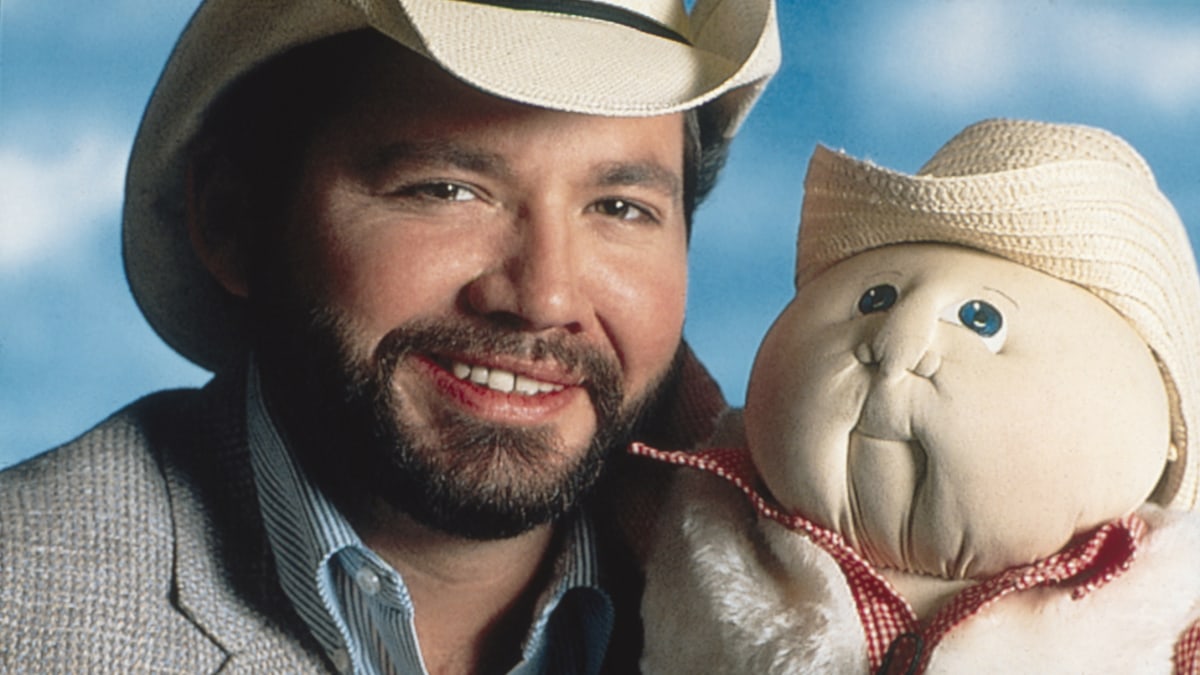
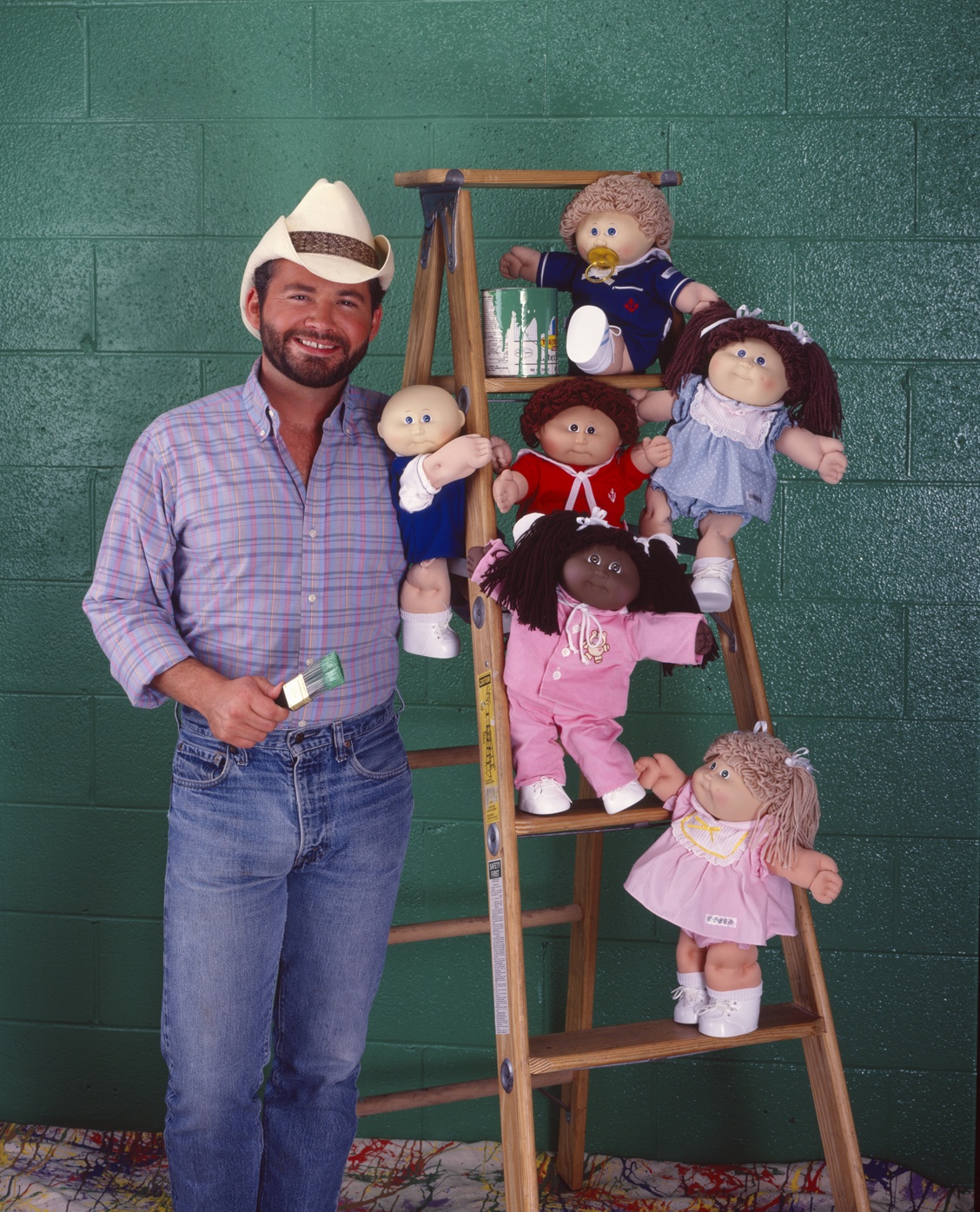
Documentary filmmaker Andrew Jenks (Dream/Killer, It’s Not Over) makes the story of Cabbage Patch Kids the subject of his new documentaryBillion Dollar Babies. Narrated by Neil Patrick Harris and in theaters now, the documentary explores not just the consumer madness that so exemplified the go-go era of Reagan America, but the unlikely story of how the $2 billion Cabbage Patch empire was spawned by a soft-spoken Southern artist turned toy tycoon, Xavier Roberts, whose business began when he created a doll hospital in Georgia (Babyland—it’s still operating) where dolls were “born” among leafy green fields and cared for by nurses.
[Image: courtesy NBCUniversal]
In conversations with Roberts, who has not given in interview in decades, and the surrounding players who fueled the Cabbage Patch fury, Jenks lays out a tale built on greed and old-school artistry and media. A Cabbage Patch segment on NBC’s Today ran nearly five minutes; nearly twice the time that the show would devote, say, to a Middle East leader, Connie Chung notes in the documentary.
Jenks talked to Fast Company about the sleuth-work involved in tracking down Roberts; the viral nature of the Cabbage Patch frenzy; and the complexities surrounding the IP ownership claims over who first dreamed the dolls up.
[Photo: Jacques M. Chenet/CORBIS/Corbis/Getty Images]
You’ve had an interesting career as a documentarian: covering the 2012 election for MTV, making a film about an all-deaf, high-school football team, and creating the popular podcast series Gangster Capitalism. What got you interested in Cabbage Patch Kids?
I think it started at a pretty simple place. Just YouTubing Cabbage Patch Kids, alone, you go down this rabbit hole of seeing the melees and fights and people with bats and threatening each other, and just this craze at malls and stores. You’re quickly just thinking, Man this was all over a doll. What’s going on?
In the early days, I was interested in the kind of supply and demand of it all. And how it was this very clear example of—and ultimately reinforced to a lot of toy companies, and all sorts of companies—how scarcity can create fear, which can create higher demand and more press, and so on. One of the tidbits I learned early on was that the U.S. government actually ended up making this false advertising charge against Coleco, the maker of Cabbage Patch Kids, saying they were “harassing” children by running ads for dolls that weren’t available. [The demand for Cabbage Patch Kids was so high when they went on sale in 1983 that supplies ran out.] Coleco had to actually discontinue further advertising. They made this big announcement about having to pull commercials. And of course that just created even more of a craze.
[Image: courtesy NBCUniversal]
The role of media and advertising is interesting in the Cabbage Patch narrative. As you point out in the film, their release coincided with the FCC lifting restrictions on running toy ads during children’s programming, so suddenly there was this complicit, and very direct, relationship between toy companies and kids. Not to mention that back then the power of television and television advertising was insanely high. There was no YouTube or other screen experience vying for kids’ attention.
Cabbage Patch Kids also were on wherever you looked: Letterman, Johnny Carson, Newsweek, Saturday Night Live, Night Line. Ronald Regan called wanting to do something with Cabbage Patch. They took one into space with astronauts. There weren’t as many (media) outlets as there are now, but the ones that did exist, they were all over.
Also, Coleco did some interesting things with their advertising—like, they marketed the doll to boys. So, there were a lot of commercials with boys playing with Cabbage Patch Kids, that had never really been done before. There were different marketing strategies that they took on
The film is as much about Cabbage Patch Kids as the man behind them, Xavier Roberts, who’s a fascinating mix of Michael Jackson man-child showman, soft-spoken Georgia gentleman, and cutthroat business guru who saw an empire in quirky-looking—many say “ugly”—dolls. He’s also a bit of a recluse. How did you get him to agree to participate in the film?
[Image: courtesy NBCUniversal]
We actually began production without knowing whether we could really find him. It took months and months. He’s never done an interview where everything was on the table. He’s done interviews here and there for a couple minutes, for very specific promotion kind of things. But he hadn’t done any interview on camera so far as we could tell for like 20, 25 years. You could hardly find pictures of him recently. There were all sorts of whispers about how he lives in France now. There was this mystique.
So, I found a yearbook from the high school he went to and I started calling classmates of his. He was just very difficult to find. We had a private investigator help us. Eventually, I tracked down someone he had worked with, and still does, and started talking to her and that was kind of the beginning.
I didn’t meet Xavier until we went down to Georgia (to film). I told him that—it wasn’t a threat—but that we were making the documentary either way. And that I didn’t know how many times there would be a feature documentary on Cabbage Patch Kids, and he’s getting older in age, so why not take part in it? Another thing I said was, If you look back at my work, I’m not a gotcha guy or anything like that. So, if you’re interested, take a look at my past work and you’ll see I’m not out to get anyone.
[Image: courtesy NBCUniversal]
The film also delves into the controversy over who exactly is responsible for the creation of Cabbage Patch Kids. Roberts got the idea for them from Martha Nelson Thomas, a Georgia artist who sewed what she called “Baby Dolls” in her home and sold them at local art fairs—which is how she met Roberts. Thomas’ dolls looks uncannily like Cabbage Patch Dolls and she came up with the notion of no two dolls looking alike. The film examines how Thomas never got credit for, or any revenue from, the “billion dollar babies.” What did you make of this moral/business quandary?
There are certainly different ways to look at it. Let’s start with this one: Is what he did illegal? No. He got the copyrights, he did all of that by the book. That said, though, did he steal the idea? Well, certainly the dolls have a similar look. But more than that, they have a similar concept. Each doll has a backstory, they have a unique name, they came with papers of some kind that made the doll even more of a person, an individual. And then obviously [Roberts and Thomas] ran into each other and he has this note where he says more or less that he’s going to continue in his business with or without her. That letter is pretty damning. But all of that said, I do think there’s something to be taken seriously—by the way, I can’t believe we’re talking about all this when it’s over Cabbage Patch Kids, that’s what I love about this film.
I don’t dismiss him out of hand when he says that without her there is no Cabbage Patch Kid. He says something akin to “No Martha, no Cabbage Patch.” I think there’s a lot to be said for that. And I’ve gotten a 50-50 reaction to that. Literally half the people say, “Oh my God, he stole the idea from Martha!” And the other half say, “He did not steal it, he was inspired by her. He’s an amazing business man and he did an incredible job of creating this empire.”
The phenomenon in stores over the holiday season of 1983 feels unprecedented. A store owner literally wielded a bat to try to calm down the crowds. There were tears, bruises, screaming matches. Was this the first instance of a toy going viral?
There have certainly been toys before that created quite an uproar. I think a lot of it had to do with the dolls coming out specifically around Thanksgiving and Christmas time, or at least that’s when it really took off.
Listen, there were 150 [Cabbage Patch Kid] licenses around the world. They sold 20 million diapers, they had low-sugar cereal (which actually didn’t do very well), bubble gum machines, greeting cards, jeans, shoes, lunch boxes, pajamas, bikes. Someone in the film says they had everything from A to Z: an apron to a zipper. They created this whole world so it was about more than just the doll, and I think in that way they really succeeded.
I think Cabbage Patch Kids was really one of the first toys that were able to open it up into that level of consumerism, which also speaks to the 1980s and kind of what society and culture was like around then.
There have definitely been mobs for toys and different things throughout history but we started to really realize that this might be the first—it’s hard to say definitively—but it certainly was the first time that we could find that there was something that came out during the holiday season where there was that level of lines and just overall madness. It feel like in some ways other companies realized how they could use Black Friday and just holiday shopping as a real marketing tool in ways that maybe hadn’t been done before.
What’s your own collection of Cabbage Patch kids like?
While making the movie, I purchased a lot of Cabbage Patch Kids because we were shooting B roll and lots of shots of them so I needed a wide range of dolls. I kept them in my apartment. On one of my first dates with my girlfriend, now fiancée, she came over to my apartment, and I totally forgot about the Cabbage Patch Kids that were all over the place. So, she walked in and I was so embarrassed, like, she’s going to think I’m a serial killer, oh my God. Luckily we got over that hurdle. But I definitely have quite a few.
Dropbox plans to utilize NVIDIA’s AI foundry, which includes NVIDIA AI Foundation Models, NVIDIA AI Enterprise software, and NVIDIA accelerated computing. This integration will significantly enhance Dropbox’s latest AI-powered product experiences. Notable among these are Dropbox Dash, a universal search tool connecting apps, tools, and content, and Dropbox AI, which provides question-answering and summarization capabilities for large files.
Revolutionizing Knowledge Work with AI
Drew Houston, co-founder and CEO of Dropbox, emphasizes the transformative potential of generative AI in addressing common challenges in organization, prioritization, and focus. He envisions AI as a tool to offload routine tasks, boost creativity, and enable more meaningful work. This partnership with NVIDIA is a strategic move to bring more personalized, AI-powered experiences to Dropbox customers.
NVIDIA’s Role in Enterprise-Generative AI
Jensen Huang, founder and CEO of NVIDIA, highlights the expanding role of AI from cloud services to enterprise generative AI assistants, foreseeing a significant shift in the computing industry. NVIDIA’s collaboration with Dropbox is set to provide customized generative AI applications, accelerating workflows for millions of Dropbox users.
The Transformational Power of AI in Dropbox’s Ecosystem
Dropbox has consistently integrated AI and machine learning into its core product to enhance efficiency and save time for its users. NVIDIA’s flexible tools will enable Dropbox to introduce new AI-powered capabilities, enhancing the intelligence applied to customer content and workflows. Utilizing NVIDIA AI Foundation Models and the NVIDIA NeMo framework, Dropbox can customize and fine-tune large language models (LLMs), ensuring personalized, relevant information that upholds the security, privacy, and transparency standards Dropbox customers expect.
Dropbox also aims to boost production AI inference performance using NVIDIA AI Enterprise software, including NVIDIA Triton Inference Server and NVIDIA TensorRT-LLM.
The collaboration between Dropbox and NVIDIA is poised to redefine how knowledge work is conducted, leveraging AI to create a more efficient, organized, and creative working environment for millions of users worldwide.
This episode of The Duct Tape Marketing Podcast is brought to you by ActiveCampaign
Try ActiveCampaign free for 14 days with our special offer. Sign up for a 15% discount on annual plans until Dec 31, 2023. Exclusive to new customers—upgrade and grow your business with ActiveCampaign today!
Are you looking to showcase your brand in front of the brightest minds of the gaming industry? Consider getting a custom GamesBeat sponsorship. Learn more.
It’s the holiday season, and for a lot of gamers, that means one thing: Family. For better or for worse, now’s the time of the year when lots of us are going to be with our nearest and dearest, whether that be blood relations or family of choice. If you’re a gamer and want to gift yourself a title that will give you something to do with your familial partner-in-crime, or if you know a gamer who has friends, these are the 2023 titles that would make the best gifts.
To keep things simple, we’ll focus on games that came out in 2023 — goodness knows there were enough of them. If we got for all co-op games ever, we’d have to cover classics like It Takes Two, Stardew Valley or Left 4 Dead. As fun as that is, we’d be here all day (though we will cover some of them in the bonus section). The games on this list is are those that have come out since the beginning of the year, and can be enjoyed by two or more people.
Gunfire Games’s action RPG, Remnant II, is one of the most accessible co-op games for parties of up to three people. It’s a third-person shooter in which the players must choose a class and then proceed through procedurally generated levels, up to and including fights with terrifying boss monsters. The game offers many different environments and worlds for a party to explore.
Event
GamesBeat at the Game Awards
We invite you to join us in LA for GamesBeat at the Game Awards event this December 7. Reserve your spot now as space is limited!
Learn More
While Remnant II can be played solo, playing in groups of three evens the players’ odds against the hordes of randomly generated enemies. Since the story and quests are also random, the game has a level of replayability that may be lacking in other titles on this list.
Sometimes group game time doesn’t need to be that serious. Sometimes you want to have a little player vs player action — perhaps to settle personal scores, or just to prove a point. In Party Animals, each player is an adorable animal, as the name suggests. They must battle physics, the environment and each other in multiple different game modes.
Players in Party Animals can either work together or against each other to accomplish goals, though the former is significantly more likely than the latter. If you’re a social gamer who needs chaos in their life (or you know a social gamer who does), Party Animals is a choice pick for unleashing precisely that on friends and family.
The latest entry in Blizzard’s RPG series returns players to a world where teaming up to play isn’t a luxury, but almost a necessity. The world of Sanctuary is a bleak one, so traveling in groups is an advantage both in-universe and out. It features procedurally generated dungeons, non-party player vs player combat, and world bosses that can be fought by up to 12 players.
Diablo IV features parties of up to four players, with five character classes from which to choose. Unlike other games on this list, Diablo IV supports cross-play, meaning that gamers can party up with others on different platforms.
One of the most discussed and most lauded games of the year, Baldur’s Gate 3 can be played as a solo adventure or, in the manner of classic tabletop Dungeons & Dragons, with company. The co-op in Baldur’s Gate 3 allows two player characters to share each other’s adventure, and if you play together from the beginning of the game, each player can create their own characters.
Co-op in BG3 is a bit more loose than it is in other games. Players are free to separate and explore the world as they see fit, without even needing to join in on each other’s particular quests and battles (though of course the game is more fun if you’re adventuring side-by-side).
If you’re playing with younger gamers, then perhaps you want to avoid the violence and adult themes of some of the other games on this list. For more family-friendly co-op fun, you can’t go wrong with a good, old-fashioned Mario game. Wonder is a return to the classic 2D Mario game style, with several twists on the gameplay to keep it fresh for older players who have played other games in the series.
Super Mario Bros Wonder can be played by up to four players in local co-op, with eight playable characters including Mario, Luigi, Peach and Daisy. Co-op is designed so that players can drop in and out as the players require. The game features several new power-ups and on-screen flare that would make local co-op particularly enjoyable in a group setting.
What game would you be playing with your loved ones this holiday season?
GamesBeat’s creed when covering the game industry is “where passion meets business.” What does this mean? We want to tell you how the news matters to you — not just as a decision-maker at a game studio, but also as a fan of games. Whether you read our articles, listen to our podcasts, or watch our videos, GamesBeat will help you learn about the industry and enjoy engaging with it. Discover our Briefings.
The dominant trend in the market this year is the huge outperformance of the mid and small caps, according to VK Vijayakumar, chief investment strategist at Geojit Financial Services. “While Nifty is up only 8.82% year-to-date, the Nifty midcap index and Nifty Smallcap index are up 33.38% and 41.66% year-to-date.”
“It is important to understand that the Nifty is depressed by the poor performance of banks, which have the largest weightage in the Nifty. The Nifty Bank index is almost flat this year, with measly growth of 0.87%,” Vijayakumar said.
The broader markets outperformed their larger peers. The BSE Midcap ended up 0.13%, while the SmallCap closed 0.14% higher.
Twelve out of the 20 sectors compiled by BSE Ltd. advanced, while eight sectors declined. BSE IT fell the most, while Capital Goods rose the most.
The market breadth was split between buyers and sellers. About 1,805 stocks rose, 1,872 stocks declined, and 137 remained unchanged on the BSE.
Banks are underperforming despite very good results because they are overowned, and sustained FII selling is weighing on bank stocks. Mid- and small-cap stocks are under-owned, and retail exuberance is largely driving these stocks. There is no valuation comfort in the broader market, but valuations are fair in large caps, according to Vijayakumar.
“Therefore, the next leg of the rally, driven by institutional money, both foreign and domestic, will be driven by large caps,” he said.
Precious metal prices were trading in positive territory on Friday, although in low volume due to Thanksgiving holiday, with expectations that the Federal Reserve is done raising interest rates, helping non-yielding bullion post a second consecutive weekly gain. Concerns over price pressures however linger, with data showing US consumers expect inflation to persist. Spot gold (XAUUSD:CUR) was up +0.20% to $1,995.70 an ounce by 6 am ET, an up 0.7% for the week.
The Fed has been on hold since its meeting in July. The market is now hoping for interest-rate cuts, with 90 bps priced by the end of next year.
Saxo Bank’s Ole Hansen in a recent note said, “Both metals (gold and silver) have thrived during the past month on rising speculation the Federal Reserve has reached the end of the road of its aggressive rate hike regime, and that next year could see a reversal.” “The past six years have seen strong December performances from gold and silver.”
Meanwhile in the energy market, U.S. crude oil prices and natural gas futures were trading lower, while Brent was up slightly. Brent crude was also set for a weekly gain after four consecutive declines as markets hoped for extended supply cuts, while waiting for the Organization of Petroleum Exporting Countries’ meeting next week.
Elsewhere in the base metals space, China’s efforts to ease the property crisis bolstered market sentiment. Copper prices in London were steady on Friday, heading for a second consecutive weekly gain. Demand outlook for copper, used in power, housing and infrastructure sectors, was brightened by a raft of measures top consumer China issued to revive its economy. The country may allow banks to offer unsecured short-term loans to qualified property developers for the first time, Bloomberg News reported on Thursday.
Reuters reported that a major Panama copper mine run by Canada’s First Quantum Minerals (FM:CA) is not operating at commercial levels, a spokesman said on Thursday, following blockades by protesters at a key port that prevented the miner from receiving shipments of coal that power the site and other supplies.
In the agriculture commodities complex, soybean, wheat and cocoa all traded in red. Sugar production in the European Union is projected to grow 3% in the 2023/24 season with a strong crop in the bloc’s East more than offsetting a drop in France, the United States Agriculture Department said in a report on Tuesday.
Recent Commodity Price Movements
Energy
Metals
Agriculture
Corn (C_1:COM) -0.16% to $467.98.
Wheat (W_1:COM) -0.36% to $556.11.
Soybeans (S_1:COM) -0.06% to $1,356.00.
Commodity ETFs
Gold ETFs:
SPDR Gold Shares ETF (GLD)
VanEck Gold Miners ETF (GDX)
VanEck Junior Gold Miners ETF (GDXJ)
iShares Gold Trust ETF (IAU)
Direxion Daily Gold Miners Index Bull 2X Shares ETF (NUGT)
Digital marketing and public relations (PR) are two distinct disciplines, but combined, they can pack a mean punch. While you need unique strategies for each approach, they can work together to enhance your visibility and credibility.
Whether your goal is to boost your personal brand or increase business sales, combining digital marketing and PR is a must. Follow these tips to craft excellent marketing and PR campaigns.
1. Use consistent messaging.
Digital marketing mostly promotes your brand through:
Content marketing
Pay-per-click (PPC) ads
Search engine optimization (SEO)
Social media
PR teams use these digital marketing channels but primarily work behind the scenes, pitching media outlets to build and maintain your public image. PR isn’t afraid to use more traditional methods, like pitching journalists, while digital marketing focuses on public-facing online platforms.
These strategies work differently, but you still need consistent messaging on both fronts. Have your marketing and PR folks meet to agree on branding guidelines beforehand. This way, you agree on campaign goals, phrasing, and tone before creating anything, which ensures consistency across your digital marketing and PR campaigns.
2. Find the right influencers.
You can’t log into TikTok or Instagram without seeing influencer content. For digital marketing, leverage influencers to help you create content. Most influencers are happy to make user-generated content you can share on your website or social media.
Influencers drive exposure in a niche market, which is perfect for PR. It isn’t unusual for PR agencies to get placements in influencers’ holiday gift guides, for example.
You don’t have to work with the same influencers for digital marketing and PR, either. As long as you work with the right influencers for the job, there’s nothing wrong with partnering with several influencers for both strategies. You can generate more content and buzz in less time, which is a win for both marketing and PR.
3. Drive thought leadership with content.
If you want the public to take you seriously, you’ll need to prove yourself. The best way to do that is to produce helpful, educational content.
Content marketing is the bedrock of digital marketing because it boosts your thought leadership. Work with your marketing team to create:
White papers
Case studies
Blogs
How-to videos
Once your digital marketing folks create this content, they can pass it to the PR team. PR works its network to secure guest post opportunities, media features, and interviews to leverage this content even more.
4. Host events.
Live events can certainly turn heads, but virtual Zoom events are also a popular way to connect with your target audience. Your digital marketing team can plan a live-streaming event on Zoom, Facebook Live, or YouTube. To drive attendance, they can promote it via targeted email campaigns, social media ads, and SEO-optimized landing pages.
PR takes the ball from there to generate buzz for the event. They create press releases, reach out to industry bloggers for features, and look for other organizations to co-host or sponsor the event.
5. Get more mileage out of customer feedback.
It’s difficult to convince people to leave positive reviews or testimonials about your company, which is where your digital marketing department comes in. They can use loyalty programs and email marketing to encourage happy customers to leave a review. Before you know it, you’ll have more reviews on Google, Yelp, and Trustpilot that show just how reputable you are.
From there, marketers look for the most high-quality reviews and testimonials and use them to create compelling, data-driven case studies. PR also jumps in to use quotes and case studies in their press kits and journalist pitches.
It’s common for people—especially the media—to look for reviews and ratings before interacting with your brand, and sharing this feedback can give you a leg up.
The bottom line.
PR and digital marketing have a symbiotic relationship. Instead of approaching them separately, try the strategies in this guide to enjoy the synergistic benefits of combining digital marketing and PR.
Uncommon Knowledge
Newsweek is committed to challenging conventional wisdom and finding connections in the search for common ground.
Newsweek is committed to challenging conventional wisdom and finding connections in the search for common ground.
A dental marketing agency is a marketing company which helps your dental practice achieve its marketing goals. As a dentist, your expertise is in oral health. Implementing marketing strategies can be challenging and may divert your focus.
In this modern competitive world, digital marketing is essential as it enables your dental business to reach the target audience and generate quality leads. It is equally important to choose the right dental digital marketing agency for the effective implementation and growth of your dental practice through marketing.
How does partnering with a dental marketing agency help in attracting quality patients?
Local SEO is a Digital marketing for dentists tool which targets specific keywords relevant to the local vicinity. For instance, if your dental clinic is situated in California, local SEO will target keywords like “dentists in California” “oral health clinics in California” and similar keywords based on research. Local SEO requires thorough keyword research, so whenever a potential patient in your local area is searching for oral health treatments on search pages, your dental Google business profile is visible on the top pages. Dental Local SEO results in generating quality leads and attracting new patients. Dental digital marketing agency consists of a professional team of SEO experts who do the task efficiently and ensure that your business website ranks better on search engines.
Being active on social media and knowing recent trends can be a lot of tasks, let alone the job of a dentist. Social media marketing is one of the most profound Digital marketing for dentists. It is budget-friendly and simple. Creating your social media business profile and posting content is free. You have to focus on the quality of the content. The content has to be shareable, worthy of likes, comments and saves. If the audience engages with your content, the social media algorithms expand its visibility and reach. Dental marketing services include:
Reputation is the image your dental business has created in the minds of individuals like patients, the community, competitors, authorities and government. Building a good business reputation enables long-lasting growth and success of your dental business. Dental marketing agency offers reputation management services including influencer collaboration, managing online reviews, considering negative feedback and taking necessary actions, uploading patient testimonials on online platforms, updating changes on your dental Google business profile, and providing feedback to boost your online dental business reputation.
Conclusion:
Partnering with a dental marketing agency is an investment that reaps the highest ROI for your dental practice. Marketing requires professionals who are experienced in the field and have tested several marketing strategies to achieve marketing goals. Hiring dental marketing services caters to your dental practice’s needs and opens up the path for your business growth in the field of dentistry.
Well before Washington banned Nvidia’s exports of high-performance graphic processing units to China, the country’s tech giants had been hoarding them in anticipation of an escalating tech war between the two nations.
Baidu, one of the tech firms building China’s counterparts to OpenAI, has secured enough AI chips to keep training its ChatGPT equivalent Ernie Bot for the “next year or two,” the firm’s CEO Robin Li said on an earnings call this week.
“Also, inference requires less powerful chips, and we believe our chip reserves, as well as other alternatives, will be sufficient to support lots of AI-native apps for the end users,” he said. “And in the long run, having difficulties in acquiring the most advanced chips inevitably impacts the pace of AI development in China. So, we are proactively seeking alternatives.”
Other deep-pocketed Chinese tech companies have also been taking proactive measures in response to U.S. export controls. Baidu, ByteDance, Tencent and Alibaba collectively ordered around 100,000 units of A800 processors Nvidia to be delivered this year, costing them as much as $4 billion, the Financial Times reported in August. They also purchased $1 billion worth of GPUs that are scheduled for delivery in 2024.
Such heavy upfront investments could easily deter many startups from entering the LLM race. Exceptions do exist if the young business manages to secure handsome investments quickly. 01.AI, which was founded in late March by prominent investor Kai-Fu Lee, acquired a substantial number of high-performance inference chips through loans and has already paid off its debt after raising capital that valued it at $1 billion.
With its reserve of GPUs, Baidu recently launched the Ernie Bot 4, which Li claimed is “not inferior in any respect to GPT-4.”
Rating LLMs is tricky thanks to the sheer complexity of these AI models. Many Chinese AI firms have resorted to ranking boosting by diligently fulfilling the criteria of LLM charts, but the effectiveness of these models when applied to real applications real-life is still pending judgment.
Smaller AI players, lacking the cash flow to hoard chips, will have to settle for less powerful processors that aren’t under U.S. export controls. Alternatively, they can await potential acquisition opportunities. Li expects that with a confluence of factors, including the scarcity of advanced chips, high demand for data and AI talent, and huge upfront investments, the industry will soon transition into a “consolidation stage.”
Most business models cover the bases nicely: how the company will serve customers better than rivals. But they don’t really explain why the company matters. Why should anyone care that your company exists? Why should they walk past your rivals in order to reach you? What’s your real differentiation in the eyes of target customers? Without good answers, you aren’t likely to stand out in the marketplace for long. Once the shine wears off, or rivals match your pricing, you’ll lose both customers and employees. That’s bad both for your long-term competitive position and for society. Adding a larger meaning beyond the dollars makes sense for every constituent — investors, employees and the community. A successful business model connects with customers, employees, and investors, and builds a compelling vision for the long term. And the only way to do that is with empathy and imagination to gain a deep understanding of the needs of your target customer. In this article, author Ron Shaich, founder and former chairman & CEO of Panera Bread, shares how his team transformed a low-margin French bakery into a profitable French bakery café by listening to customers and pinpointing the meaning behind the business model.
The manufacturing section takes materials and makes valuable products that can fuel national prosperity. This is one sector that’s responsible for employment and technological advancement.
The manufacturing sector makes goods and shapes economies while providing employment. It’s also responsible for technological evolution. If you’re an entrepreneur, this section of the economy beckons you to innovation and prosperity.
The Manufacturing Industry Today
Manufacturing covers many different sectors, technologies and processes. It involves several different activities, from quality control to production, engineering and design.
The industry involves different processes, including fabrication, assembly, and machining. Products include small-scale items up to large machinery.
The manufacturing sector is complex and involves intricate processes, quality control standards, the integration of advanced technologies, plus complicated supply chains.
Manufacturing Business Ideas: From Small Scale to Big Ventures
Here are a few manufacturing ideas for entrepreneurs that you can scale up or down.
Small-scale manufacturing ideas include custom handcrafted goods like cosmetics, soaps, and handmade jewelry or accessories. Specialty food items are included, like gourmet chocolates and confectionery.
3D printing services that make customized merchandise like keychains are small in scale. Incorporating CAD tools in your business, especially in areas like 3D printing and custom furniture manufacturing, can significantly enhance product design and quality.
Some woodworking/carpentry, like custom furniture, gets included here too.
Medium-scale manufacturing ideas include electronic components and specialized electronic modules. Eco-friendly cleaning products and specialized chemicals for niche industries like agriculture are added to this category.
Large-scale manufacturing includes the mass production of specific auto parts.
Advanced technology production, like semiconductors and automation equipment, are other large-scale options.
Entrepreneurs can tweak these ideas and others to suit the resources and demands available.
Step
Description
Resources Needed
Key Considerations
Market Research
Analyze the demand for your intended product.
Market analysis tools, industry reports.
Identify target markets and consumer needs.
Business Plan
Create a detailed business strategy and financial plan.
Business plan software, financial advisors.
Plan for funding, operations, marketing, and growth.
Product Development
Design and develop your product prototype.
CAD software, prototyping materials.
Focus on product functionality, design, and market fit.
Legal Requirements
Fulfill legal formalities for starting a manufacturing business.
Legal counsel, business registration.
Ensure compliance with industrial regulations and patents.
Location and Facility
Choose a suitable location and set up your manufacturing facility.
Real estate agents, facility planners.
Consider factors like space, logistics, and local labor market.
Equipment and Technology
Acquire necessary manufacturing equipment and technology.
Equipment suppliers, technology vendors.
Invest in efficient, scalable, and reliable equipment.
Supply Chain Management
Establish a robust supply chain for raw materials and components.
Supplier networks, inventory management systems.
Ensure a steady and cost-effective supply of materials.
Staffing and Training
Hire skilled staff and provide necessary training.
Job boards, training programs.
Build a competent team with expertise in manufacturing processes.
Quality Control
Implement quality control systems.
Quality control software, inspection tools.
Ensure your products meet industry standards and customer expectations.
Marketing and Sales
Develop a strategy to market and sell your products.
Marketing agencies, e-commerce platforms.
Create a plan for reaching your customers and expanding market presence.
Starting a Manufacturing Business: Step by Step
Read on for a list of steps to assemble a manufacturing business.
Market Research and Identifying the Right Manufacturing Niche
Engaging directly with potential customers and or industry experts through focus groups and surveys can help you here.
Crafting a Comprehensive Business Plan
You want a business plan that focuses on financial forecasting and adds a good market analysis with clear objectives. The best way to accomplish those goals and add in strategic planning is through a SWOT analysis ( Strengths, Weaknesses, Opportunities, Threats). While drafting your plan, it’s helpful to reference resources on how to write a business plan, which can provide a structured approach to outlining your manufacturing business’s goals and strategies.
Considering the Manufacturing Process for Your Chosen Product
Your chosen products will need you to source materials and machinery and assemble product timelines. Collaborating with suppliers can help you get the raw materials you’ll need. You can explore financing options for new and used equipment for the machinery.
A good tip for mapping out detailed production timelines is to break the entire process into smaller manageable chunks. Utilizing manufacturing software can streamline the production process, enhancing efficiency and productivity for your manufacturing business. Understanding digital fabrication benefits can significantly enhance your manufacturing business’s supply chain efficiency and product quality.
Location and Infrastructure for Your Own Manufacturing Business
The best location for your manufacturing business can be found by thoroughly analyzing the target markets, proximity to suppliers and transportation infrastructure. That way, you’ll find the best site for operational costs, supplier efficiency, and logistics. You should also consider access to workforce availability.
Establishing a Business Model
One of these models is the road map for operations. It details how a company makes and distributes products and guides decision-making
Acquiring Necessary Licenses and Certifications
Make sure you look into the necessary permits, licenses and certifications.
A manufacturing company should need a general business license from the local authorities.
You might need some industry-specific certifications like ISO.
Don’t forget to consider environmental permits that comply with emissions and waste disposal.
Setting Up Finances and Funding
Startups need to consider their financing options. Several possibilities include small business loans from the SBA specifically designed to supply working capital and buy equipment. Some smaller manufacturing operations can use personal credit cards and savings. That’s called bootstrapping.
Managing cash flow and setting up an excellent financial system means implementing inventory management systems and buying the right accounting software.
Hiring and Training
Hiring skilled workers and training them provides for product quality and operational efficiency. It’s essential to offer both onboarding and continuous skill development programs.
Mastering Supply Chain Management and Systems
An inefficient supply chain system directly impacts product quality, customer satisfaction and competitiveness. An optimized supply chain minimizes inventory costs and improves product quality. One way to achieve this goal is to adopt Just- in-Time Inventory management. Building solid relationships with suppliers helps, too.
Marketing Manufacturing Businesses
To address the unique manufacturing business challenges, effective marketing strategies are crucial for standing out in a competitive market. A startup can build its brand and attract customers by forming partnerships with complementary suppliers and businesses. Continuous innovation is another way to be successful. A profitable manufacturing business also leverages online marketing, including social media and a user-friendly website.
Navigating Challenges in the Manufacturing Industry
Staying abreast of how the gig economy can help manufacturing businesses adapt to changing workforce needs can be a strategic advantage in overcoming industry challenges. Common challenges faced by startups include:
Market Competition
A strong brand identity helps you to stay ahead of the competition. Small businesses should conduct market research to identify opportunities and gaps in the industry.
Financial Challenges
Money is always an issue for any manufacturing startup. Research specific small business loans and grants and even consider crowdfunding platforms.
Managing Supply Chain Disruptions
Diversifying suppliers mitigates risks and ensures a constant flow of materials.
Staying Updated with Technological Advancements
Investing in new technologies and innovations will help you to stay competitive. For example, manufacturing startups should consider Robotics and automation to improve efficiency and enhance productivity.
Environmental Considerations and Sustainability
Consumers are demanding more echo-free products and sustainable manufacturing. Aligning with these expectations enhances brand loyalty and reputation. Global standards on emissions and waste management are getting stricter. Embracing sustainable manufacturing reduces energy consumption and minimizes waste.
FAQs: How to Start a Manufacturing Business
For those looking into specialized manufacturing fields, learning about how to start a concrete business, how to start a woodworking business, and how to start a welding business can offer additional insights.
What’s the minimum capital needed to start a manufacturing business?
There’s a range of tens of thousands to millions of dollars. Some of the critical expenses include machinery and equipment and the lease or purchase of a space. Labour costs and regulatory and licensing fees are included.
How profitable is manufacturing?
Manufacturing businesses can make excellent money, but they must factor in the industry sector, the market demand, innovation, and effective management strategies.
What is the best manufacturing business to start?
Some manufacturing sectors that show promising growth include the Food and Beverage industry. Healthcare products are also profitable since they produce personal protective equipment and medical devices. Manufacturing IoT devices and other electronics is also a big money-maker.
Are there any government grants for starting a manufacturing business?
Although these can vary by state, the United States has several options, including Small Business Innovation Research (SBIR) and Small Business Technology Transfer (STTR) Programs. As the name suggests, these provide grants for research and development.
The Manufacturing Extension Partnership (MEP) offers grants, training and assistance to small to medium-sized manufacturers to boost operations and their competitiveness.