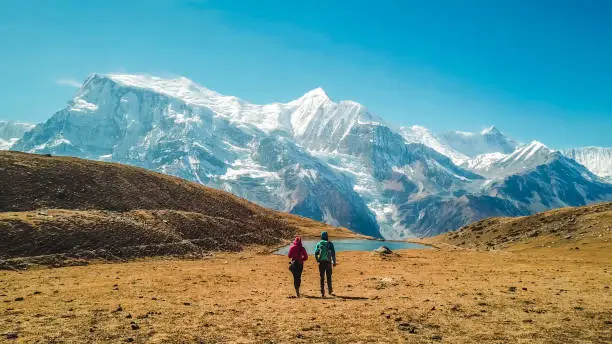
Selecting the right time to go for the Annapurna Circuit trek is one of the most significant considerations you can make when planning your Himalayan adventure. One of the most iconic trek routes in Nepal, the Annapurna Circuit sets you in front of some of the stunning mountain views, varied landscape, and cultural quintessence. But that will be an experience that changes vastly with the seasons. Knowing when to go can allow you to get the best views, bypass weather-related disturbances, and even enjoy a safer, more enjoyable trek.
Annapurna Circuit trek is available throughout the year, but the best season for trekking, generally spring (March to May) and autumn (September to November). This time of the year is the most suitable for trekking as there are clear skies, moderate temperatures, and nice trails. The snow-dusted ranges carry evergreen rhododendron, which explode in spring with unimaginable colors against a powdery flower bed of white. This season also brings warmer temperatures at higher elevations, making it easier to cross high passes like Thorong La, one of the highest points on the trek at 5,416 meters.
Autumn, though, is notorious for its reliable conditions and great visibility. The sky is clear and blue, and mountains as far away as the Annapurna and Dhaulagiri fill the view forever. Post-monsoon freshness also washes the dust out of the air, so hikers can enjoy some of the year’s cleanest views. This is also the peak season, so if you enjoy meeting fellow adventurers from the rest of the world, this is the perfect time. But more people passing through means hotels can get packed, so book ahead.
Annapurna Circuit trek in Winter, December to February, is doable, but one should be prepared when trekking during these months. “It’s much quieter but also solitude and serenity, but out there, the high passes could still be under snow, could become impassable,” said Godleski. A distant camp in cold conditions can be a challenge, especially at night, even for experienced trekkers. Having said that, the lower parts of the circuit are still open and can provide a great trekking experience with a much more peaceful appeal.
Monsoon Season Monsoon season (June to August) is generally considered the worst time to trek the Annapurna Circuit. Unfortunately, we cannot plan the climate for you, and if it is raining, it can be slippery, with frequent landslides in the monsoon and leeches at lower altitudes. The top views of mountains are often obscured by clouds, and that’s a huge part of why so many are attracted to this trek. But the rain shadow areas to the north of the circuit, such as Manang and Mustang, receive much less rainfall and are possible to trek in even during the summer.
Ultimately, the right time for your Annapurna Circuit trek is what works best for you based on your experience, your interests, and personal preferences. Whether you’re seeking greenery and wildflowers, crystal-clear skies and panoramic views, or a little solitude, every season has something beautiful to offer. Whether you are trekking the Annapurna Circuit in September or December, it is essential to have prepared and to check the weather forecast, and prepare the right gear, for a successful trek.
Best Time to Trek the Annapurna Circuit?
The best time to trek theAnnapurna Circuit Trek all comes down to weather, visibility, and the possibility of walking the trail. The best time for trekking is generally spring (March to May) and autumn (September to November). During these times, you’re unlikely to encounter bad weather and the skies will be mostly clear; the temperature will also be more comfortable, helping you get better views of the Himalayan summits. In spring, there are the blooming rhododendrons and lush surroundings; in autumn, the crisp, clear air and the most spectacular sunsets. The summer (monsoon) season is not suitable since there are heavy rains, slippery trails, and unclear routes. Trekking in winter is technically possible for visitors prepared for the cold and snow, but high passes may be blocked. Knowing these seasonal idiosyncrasies will enable you to plan your trek for the ideal experience.
Annapurna Circuit Trekking: What is the Weather Like?
The fate of your Annapurna Circuit trek heavily relies on the weather; otherwise, forget about success and safety. On a clear day, the mountains are stunning to see, while rain or snow can block views and make trails dangerous. Paths become muddy and dangerous during the monsoon with heavy downpour and heightened risk of landslides. Higher altitudes, on the other hand, are snowbound during winter, and passes like Thorong La can be subjected to extreme temperatures and heavy snowfall. Moderate weather and predictable climate during spring and autumn help minimize the risk of weather disruptions. Being well informed about the weather and the flexibility in your itinerary are key to dealing with them, and your trek will be quite nice.
Pros of Spring Season for Trekking?
One of the peak seasons to do the Annapurna Circuit Trek is during the spring, as the weather is clear and you will enjoy lovely flowers blooming along the trail. Snow melts and gives rise to flowering rhododendron forests and alpine meadows, forming a scenic wonder of colors in the Himalayas. Daytime temperatures are warmer than winter and more comfortable when climbing high passes. Wildlife comes alive, providing an opportunity to see native birds and animals. Add to that, the springtime hiking months tend to have fewer clouds, although there can be some occasional late-season precipitation. Spring – The comfortable temperatures and fewer people than autumn are just one reason spring is a favorite with trekkers looking for adventure and calm.
What Makes Autumn the Best Time for Annapurna Circuit Treks?
The fall is when you’ll find the best trekking conditions on the Annapurna Circuit, with its predictable weather and clear views of the mountains. Once the monsoon settles, the air is clean and clear with dust and pollution washed away, so ideal for photography and sightseeing. The temperatures are chilly but pleasant, good for long days of hiking without getting too hot or too cold. It’s also festival season, that subtle reminder of local customs that accompanies the visitor along the way. But Autumn is the busy season to trek, so you’d need to book accommodations and permits in advance. If you would rather enjoy the buzz of other adventurers with breathtaking views, the fall is for you!
Is it possible to trek the Annapurna Circuit in Monsoon Time?
Annapurna Circuit Trek Itinerary Monsoon (June to Aug) ❌ Side note: I wouldn’t suggest hiking the Annapurna Circuit during monsoon, mainly because of the rainfall and the risks. Tracks are slick and back-muddy, presenting hazards of accidents. Landslides and road closures are frequent, leading to delays or route changes. The trip also offers less of a scenic payback as heavy cloud cover frequently cuts off the views of the mountains that are the backdrop of the trek. The lower areas of the circuit are infested with leeches and bugs. The northern part of the region – Manang and Mustang – is closer to the rain shadow of the mountains and therefore has much less rainfall, hence, some trekking may still be possible. If you decide to trek this season, do make sure you have waterproof equipment and an open itinerary.
How does altitude affect the best time to go trekking in the Annapurna Circuit?
The altitude is a major factor to take into consideration for the best time to trek the Annapurna Circuit. Trekkers have to ascend beyond 5,400 meters at the Thorong La Pass, where the weather is often cold and hard to predict. During winter months, high passes are usually covered in snow, which can lead to dangerous trekking conditions. Although not as crisp as morning views in autumn, as we were near, early morning is the time when most other trekkers head out, while it is the “sweet spot” for the best temperature, and over the generally clearer sky, you will get all day. If spring or autumn is the only time you can make it, then those two seasons would be the best seasons for trekking. Trek in the early months and you risk the danger and discomfort of extreme cold, too late and heavy snowfall can make the trails impassable. Understanding the impact altitude has on weather and your body’s acclimatization is useful when deciding which would be a safer and more enjoyable trekking window.
Cultural Benefits of the Right Trekking Season.
The Annapurna Circuit is laden with cultural activity, and the season of trekking will change your interaction with the people of local communities. The months of autumn are when many popular Nepali festivals, such as Dashain and Tiha, fall, and trekkers are offered an opportunity to see traditional practices and the culture at its best. Spring is also a symbol of culture, celebration, and backslapping, read Holi, the festival of colors and fun. The quieter village visits; the fewer cultural events , but it can be in the off-season. By selecting the appropriate season, you can combine the natural beauty with the colourful local traditions for an enriching trekking experience. Encounters with villagers during seasonal religious times can also give you a sense of the culture and hospitality of the region.
How Weather Forecasts Can Make Your Trek Better?
Keep an eye on weather forecasts for the few days before and during your Annapurna Circuit trek in order to stay safe and comfortable. Today’s forecasting tools can give you point-by-point daily temperature, precipitation, and winds, good for dodging surprise rainstorms or whiteout conditions. Knowing when the weather will take a turn will help you plan your rest days or daily itinerary. Accurate forecasts are particularly crucial for crossing high passes, or during the monsoon, when conditions can change dramatically. If you plan your trek according to the weather forecasts, you don’t need to risk your life and the comfort of your trek by walking ahead in bad weather or giving up trekking for the next two days when there’s good weather.
Trekking Clothing according to the Season?
Annapurna Circuit Trekking The type of gear for the Annapurna Circuit will depend on when you are trekking. What to Wear: Spring and autumn bring the need for light layers, a decent pair of hiking boots, and a good raincoat for sudden showers. In winter, you will need a lot more insulation materials, thermal layers, and gear for snow and sub-zero temperatures, such as crampons and down jackets. Rain can be heavy, and leeches are abundant, so waterproof equipment, gaiters, and mosquito repellent are essential during the monsoon season. Apart from that, no matter the season, bog-standard fare like a solid sleeping bag, walking poles, and sun protection should see you right. By packing the right gear for the season, you’ll be comfortable, safe, and prepared for any changes on the trail.
How does the crowd matter for when to do the Annapurna Circuit trek?
Annapurna Circuit Nepal The number of trekkers on the Annapurna Circuit depends on the time of year, but it certainly affects the trek’s nature as a whole. The autumn months have the most visitors due to ideal weather conditions and clear mountain views. That can translate to busier trails, more crowded teahouses, and the need to book ahead. The spring sees moderate crowds, which means a mix of social and secluded. Winter and monsoon time see fewer trekkers -fewer companies and often, but not always, satisfied with good weather, and you experience solitude and nature and culture at its best, but also lose expected services and, of course, higher risk. Whether you’re looking for solitude or social trekking, let that design when you want to go. Knowing crowd dynamics can help you decide on a season that matches your desired trekking ambiance.
When is the best time to hike the Annapurna Circuit?
The ideal seasons for the Annapurna Circuit trek are spring (March–May) and autumn (September–November). During these months, you will find stable temperatures, clear skies, and an extraordinary view of the Himalayan peaks. In spring, the rhododendrons are in bloom, and pretty flowers abound, as well as greenery. Autumn trails in the monsoon with sweeping it clean from the dust and giving crystal clear air ideal for wide mountain views. The temperature also remains moderate during these months, which is ideal for high-altitude trekking. Winter trekking is feasible, but cold and snow can close high passes, and the monsoon season in the summer features heavy rains, slippery trails, and few mountain views. Picking for spring or autumn will not only increase your chances of magnificent views but also guarantee more stable trail conditions, fewer weather disturbances, and a better trek!
When is the best time to hike the Annapurna Circuit?
Annapurna Round Trek The optimal weather on the Annapurna Circuit would be dry, warm, and clear, a nd these are the conditions that are prevalent during the spring (March to May) and the autumn (September to November). During these months, you can expect clear weather and unobstructed views of the Annapurna and Dhaulagiri mountain ranges. And it is more comfortable temperature-wise during the day, away from the bitter cold of winter and the heavy rains of the monsoon. The stability of the weather also serves to minimize the threat of events like landslides, flooding, or snowfall covering the trail, thus making the trip safer and more reliable. It’s low humidity, so trekking is less tiring. In the summer, typhoons cause excessive rain, the trails get too muddy, and visibility becomes poor; i the winter can get extremely cold and snowy. Perfect trekking conditions that allow fewer unwanted stops and more chances to enjoy the natural and cultural highlights of the region.
What Is The Best Month For the Annapurna Trek?
Tilicho Lake Trek The optimal months to trek to Annapurna are usually April, May, September, and October. These are also a couple of the best trekking seasons in spring and autumn. April and May, meanwhile, can deliver warm days and flashing rhododendrons, while September and October see brilliant, crisp skies and good visibility following the monsoon rains. Trail conditions during these months are generally safe and comfortable, with a lower chance of rain or snow. The weather is pretty good at lower elevations, the temperature is rather good at the higher elevations as well, and People can also stick to the mountain more easily for better crossing through Thorong La Pass. Best Time to Visit: The period between June and August is a no-go due to heavy rains and the risk of landslides. Likewise, hiking near the peak of winter (December – February) can be difficult because of snow and arctic freezing. Picking any of these months is usually a good month to guarantee a good balance of weather conditions, landscapes, and trekking facilities.
How to Get Ready for the Annapurna Circuit?
Annapurna Trek Before embarking on your Annapurna Circuit trek, you should be in good shape as well as take into account all the necessary gear and preparation for the trek. Start by building your endurance with cardio exercises such as hiking, running, or cycling; the trek requires long days of walking at great elevations. Acclimatization is key; you’ll need rest days and gradual elevation rises to avoid altitude sickness. Adequate clothing is, of course, a must- layering possibilities for different temperatures, together with a good quality sleeping bag, waterproof jacket, and good, sturdy walking boots, is a necessity. Some trekking poles would help your knees a bit. Be prepared for anything from rain to cold nights, depending on the time of year. Carry adequate permits, as well as travel insurance that includes high-altitude trekking. Hydration and nutrition are essential: drink lots of water and consume high-energy foods. And finally, a basic understanding of first aid and acclimatization symptoms can help keep you out of danger. The better prepared you are, the more likely you are to have an enjoyable and successful circuit trek around Annapurna.